What Is Travel Like During the Sardine Run in South Africa
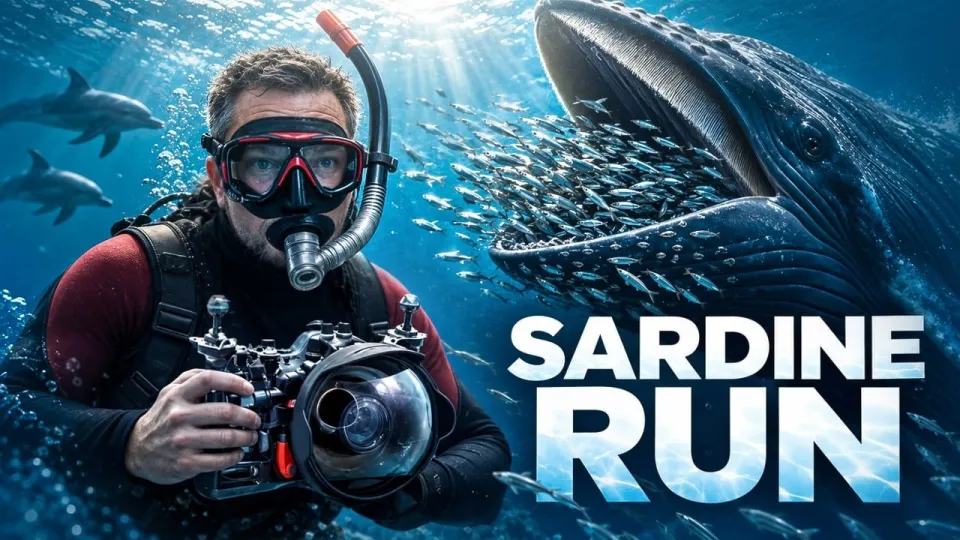
Video: I Spent a Week Chasing the Sardine Run in South Africa
· based on the channel ZAVID OFF
Key takeaways
- The Sardine Run is the largest feeding frenzy on Earth involving millions of sardines.
- Mbotyi on South Africa's Wild Coast is the ideal base for observing the Sardine Run.
- SEAL Expeditions offers guided tours and boat launches into the sardine migration zone.
- Visitors can witness dolphins, sharks, Bryde's whales, and seabirds hunting sardines.
- Travel involves flights to Johannesburg or Durban, then transfers to Mbotyi River Lodge.
The Sardine Run is one of the world's most spectacular natural events, offering a unique travel experience for wildlife enthusiasts and adventure seekers. Occurring along South Africa's Wild Coast, millions of sardines migrate northward, attracting predators like dolphins, sharks, whales, and seabirds into an electrifying feeding frenzy. Traveling during the Sardine Run means witnessing this incredible migration up close, often from boats or even by swimming alongside marine giants.
How to Travel to See the Sardine Run in South Africa
To experience the Sardine Run, the primary destination is Mbotyi, located on South Africa's Wild Coast. The journey typically starts with a flight into Johannesburg or Durban. From Durban, travelers take a road transfer to Mbotyi, which is somewhat remote but accessible via carefully organized transport. The Mbotyi River Lodge is the preferred accommodation, offering lodging and easy access to the coastal launch points for sardine run excursions.
Why Mbotyi Is the Perfect Spot for Sardine Run Viewing
Mbotyi's location is optimal because it lies along the migration path where sardines are funneled close to shore, making sightings more reliable. The area's rugged coastline and relatively wild surf provide natural conditions that concentrate sardine bait balls, attracting a variety of marine predators. The local operator SEAL Expeditions coordinates boat trips from Mbotyi, offering guests opportunities to observe and swim near sardine bait balls, dolphins, sharks, and even Bryde's whales.
What to Expect During the Sardine Run Experience
Travelers should prepare for early mornings with dawn routines and surf launches into the ocean. Spotter flights are sometimes used to locate large schools of sardines, guided by the presence of diving seabirds and hunting dolphins. Once in the water, the spectacle includes dolphins packing sardines into tight bait balls, aerial dives by birds, and hunting by sharks and whales. One of the highlights is swimming near Bryde's whales, a rare and thrilling encounter.
Besides marine life, visitors can enjoy scenic microlight flights over nearby canyons and waterfalls, such as the stunning Magwa Falls that cascade directly into the ocean. Evenings at the lodge feature local cuisine, including traditional South African braai and cultural experiences.
Practical Travel Tips for the Sardine Run
- Book accommodations early, as Mbotyi River Lodge has limited capacity.
- Prepare for rugged conditions: wild surf launches mean you need reasonable swimming skills and comfort in open water.
- Bring waterproof gear and a good underwater camera to capture bait balls and marine wildlife.
- The best viewing months coincide with the sardine migration season along the coast.
- Engage with guides from SEAL Expeditions for expert knowledge and safety during excursions.
Wildlife Highlights During the Sardine Run
- Sardines: Millions travel in dense schools, creating massive bait balls.
- Dolphins: Common and bottlenose dolphins herd sardines into bait balls.
- Sharks: Various shark species hunt the bait balls actively.
- Bryde's Whales: These whales often swim among sardine schools and are approachable by snorkelers.
- Seabirds: Numerous species dive sharply from the air to catch sardines.
Final Thoughts
Traveling to South Africa for the Sardine Run offers an unmatched adventure filled with natural wonder and wildlife encounters. The combination of Mbotyi’s location, expert guides from SEAL Expeditions, and the dramatic marine feeding frenzy ensures an unforgettable experience. While demanding in terms of physical activity and logistics, the Sardine Run rewards travelers with one of nature’s most incredible spectacles. This article and guide are based on the detailed exploration by the YouTube channel ZAVID OFF, which documented a week-long chase of the Sardine Run and shared honest insights to inspire future travelers.
Drop a 🐟 if you’re ready to witness the Sardine Run!
Source: I Spent a Week Chasing the Sardine Run in South Africa · Markdown version
Questions & answers
When is the best time to travel to South Africa to see the Sardine Run?
The Sardine Run typically occurs during the southern hemisphere winter months, with peak sightings from May to July, when millions of sardines migrate along the Wild Coast.
How accessible is Mbotyi for tourists wanting to see the Sardine Run?
Mbotyi is somewhat remote but accessible via flights to Durban or Johannesburg followed by road transfers. The Mbotyi River Lodge provides accommodations and is the main base for sardine run excursions.
What kind of wildlife can travelers expect to see during the Sardine Run?
Travelers can witness millions of sardines, dolphins, sharks, Bryde's whales, humpback whales, bottlenose dolphins, and numerous seabirds diving to feed on the sardines.
Is swimming with marine wildlife safe during the Sardine Run?
Swimming near sardine bait balls, including with Bryde's whales, is possible under guided tours with SEAL Expeditions. While exhilarating, it requires swimming skills and adherence to safety guidelines due to wild surf and presence of predators.